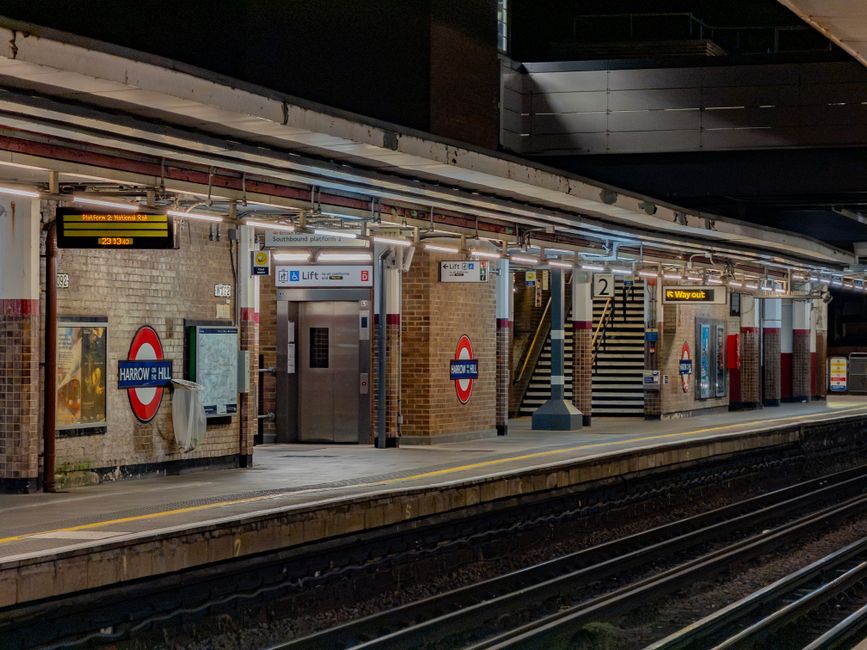
Esher station rubbish collection times and options
If you are trying to work out the best way to deal with waste around a busy station area, you are not alone. Esher station rubbish collection times and options can feel a bit more complicated than standard household rubbish because timing, access, traffic, and the type of waste all matter. Whether you are planning a one-off clear-out, coordinating a regular property collection, or simply trying to avoid missed pickups and overflowing bags, the right approach saves time and hassle.
This guide breaks the topic down in plain English. You will see how rubbish collection around Esher station is typically organised, what choices make sense for different situations, and what to watch out for if you want a smooth, compliant collection. To be fair, the smallest detail can make a big difference here - especially if you are juggling commuters, parking, or limited access near the station.
We will also cover practical next steps, comparison points, common mistakes, and a useful checklist. If you need a broader service overview while you plan, you may also find the rubbish removal services page helpful, along with the more detailed waste collection guide and the local rubbish removal in Esher page.
Why Esher station rubbish collection times and options Matters
At first glance, rubbish collection sounds straightforward: put waste out, wait for pickup, job done. Around a station area, though, timing becomes much more important. Footfall changes through the day, roads can be tighter, and access can be awkward if you are trying to move bins or bulky waste without disrupting neighbours, staff, or customers.
Esher station sits in a location where reliability matters. If waste is left too long, it can look untidy fast. Bags can split, odours build, and in wet weather the whole thing becomes more unpleasant than it should be. Let's face it, nobody wants to drag a heavy bin through a busy morning just because the timing was off by a few hours.
Knowing the available collection options also helps you avoid paying for the wrong service. A standard domestic bin lift is not the same as a same-day bulky waste collection, and a commercial site near the station may need different handling altogether. If you are managing a property, cafe, office, rental, or shared building, that distinction matters.
In practical terms, the topic is about three things:
- Timing - when waste should be presented for collection or removed from site
- Access - how crews can reach the waste safely and efficiently
- Waste type - whether it is household rubbish, mixed waste, bulky items, or recyclable materials
Get those three right and the whole process gets easier. Get them wrong and you end up with missed pickups, complaints, or extra costs. Not dramatic, just annoying. And these little annoyances stack up quickly.
If you are comparing local services more widely, the waste clearance page is a useful next stop for understanding broader collection and removal options.
How Esher station rubbish collection times and options Works
The exact collection schedule around Esher station will depend on who is collecting the waste and what kind of waste it is. In many cases, there are two broad routes: scheduled collections and on-demand collections. Scheduled collections are predictable and suit regular bins or recurring waste streams. On-demand collections are better when you need flexibility, clear-out support, or disposal of items that do not fit the normal routine.
For station-area properties, timing often needs to fit around operational hours, parking constraints, and pedestrian flow. A crew may need early access before the area gets busy, or they may need a narrow time window to avoid disruption. If a collection is arranged with a private waste contractor, the time slot is usually agreed in advance and based on access conditions, volume, and the type of material.
There is also a difference between simply emptying a bin and removing waste from a property. A bin lift is usually faster and more routine. A removal service may involve loading sacks, loose rubbish, furniture, or trade waste from inside or just outside the building. That extra handling is part of what you are paying for.
Here is a simple way to think about it:
- Identify the waste type and volume.
- Check how accessible the waste is for the crew.
- Choose a suitable collection time that avoids disruption.
- Confirm whether the service includes labour, loading, and disposal.
- Make sure the waste is separated or prepared correctly.
It sounds simple, but the preparation step is where many collections go sideways. A bit of sorting and clear access can save a lot of back-and-forth on the day.
If you need guidance on arranging a flexible pickup, the next-day rubbish removal page explains how fast turnaround services tend to work. For heavier or mixed loads, the bulk waste removal option is worth a look too.
Key Benefits and Practical Advantages
Choosing the right collection time and option is not just about convenience. It can improve cleanliness, reduce disruption, and help you stay on top of waste before it becomes a problem. Around a transport hub or station-adjacent street, that tends to matter more than people expect.
Cleaner premises, less stress. If rubbish leaves the site on time, there is less chance of smells, pests, or windy-day mess. A missing bag on a damp morning is a nuisance; a few missed collections in a row can become a proper issue.
Better control over costs. When you choose the right service level, you avoid paying for repeated ad hoc clearances you did not need. In many cases, a scheduled approach is more efficient for recurring waste, while a one-off collection is better for a single job. Simple enough, but people often overbuy or underbuy.
Less operational disruption. The right collection window can help you avoid blocking access during commuter peaks or delivery periods. This is especially useful for shops, offices, and managed properties.
Improved compliance confidence. Using a proper waste carrier and keeping records gives you peace of mind. If the waste leaves your site, you want to know where it is going and who is responsible for it after collection.
More flexible handling of different waste types. One collection might include general rubbish; another might include cardboard, green waste, or mixed bulky items. Having options matters because real life is messy. Kitchens get cleared, tenants move out, and suddenly there is a sofa by the door. It happens.
For readers looking at service quality and reliability more broadly, the fast rubbish removal page offers a helpful perspective on speed versus planning.
Who This Is For and When It Makes Sense
This topic is relevant to a lot more people than you might think. If you are anywhere near Esher station and dealing with waste, collection timing can be a small operational headache that deserves proper attention.
- Homeowners who need occasional clearance, garden waste removal, or help after redecorating
- Landlords and letting agents managing end-of-tenancy rubbish or left-behind items
- Local businesses with regular waste generation, packaging, or bulky disposal needs
- Property managers overseeing flats, shared bins, or communal areas
- Tradespeople needing leftover materials removed quickly after a job
- Commuters or busy households who simply want a one-off collection without delay
It makes sense to think about collection options when you notice any of these signs:
- Waste is building up faster than your normal bins can handle
- You have awkwardly sized items that will not fit in standard collection systems
- Access is limited and timing needs to be precise
- You want a same-day or next-day solution rather than waiting
- You need proof that waste has been removed by a licensed carrier
Truth be told, many people wait too long and then end up rushing the job. A little planning avoids the Friday-afternoon panic. And yes, that is a real thing.
Step-by-Step Guidance
If you want the smoothest possible collection, a structured approach helps. Here is a practical way to handle it.
1. Identify the waste clearly
Start by deciding what needs removing. Is it general rubbish, mixed junk, cardboard, broken furniture, or something more specialised? Mixed waste can often be collected, but it may affect the quote and loading time.
2. Estimate the volume
You do not need to be exact, but a rough estimate helps. A few sacks, a car boot load, a half van load, or a full van load are all useful reference points. If you are unsure, take a couple of photos. That tends to speed things up a lot.
3. Check access before booking
Think about where the collection vehicle can stop, whether there are parking restrictions, and how far waste needs to be carried. Near a station, those details are more than trivia. They shape the whole job.
4. Pick the right timing window
Choose a time that avoids peak footfall or your own busiest hours. Early morning can work well for some sites. Other properties are better served after opening hours or between deliveries. The best time is usually the one that causes the least disruption, not simply the soonest possible slot.
5. Prepare waste for easy loading
Bag loose items if possible, flatten cardboard, and separate anything recyclable if requested. If bulky items are involved, clear a route so the crew can move quickly and safely.
6. Confirm the service details
Before the collection day, check what is included: labour, loading, disposal, recycling handling, and any extra charges. It is better to ask a slightly awkward question now than to discover a surprise later. Nobody enjoys that conversation.
7. Keep records
For business or managed properties, save your booking confirmation and any waste transfer paperwork provided. That record can be useful if you need to show that the waste was handled properly.
If you are working through a larger clear-out, the house clearance service information may also help you plan the job in the right order.
Expert Tips for Better Results
Small adjustments can make collections noticeably smoother. These are the kinds of things that tend to separate an easy pickup from a messy one.
- Photograph the waste before booking. It helps with accurate estimates and avoids vague descriptions.
- Keep access clear for the crew. Even moving a couple of obstacles can save a surprising amount of time.
- Group similar items together. Cardboard, general rubbish, and bulky waste are easier to load when organised.
- Avoid overfilling bags or bins. Overpacked bags split. Usually at the worst possible moment, too.
- Book earlier if timing is tight. If you need a specific collection window near commuter traffic or business hours, do not leave it to chance.
- Ask about recycling routes. Responsible operators should aim to separate recoverable materials where practical.
One very ordinary but useful habit: leave a little space around the waste pile so the crew can work safely. It sounds obvious, yet in real life people often pile items right up against a wall or gate, and then the loading becomes slower and less tidy.
Another tip, especially for shared buildings: nominate one person to confirm access and sign-off. Too many handovers create confusion. A single point of contact keeps things calm.
Common Mistakes to Avoid
Most collection problems are preventable. Not all of them, of course, but most.
- Leaving booking too late. This is the obvious one. It often means reduced choice and higher stress.
- Ignoring access restrictions. If the vehicle cannot stop safely, the collection may be delayed or rescheduled.
- Mixing restricted items with general rubbish. Some materials need separate handling. Check in advance.
- Assuming every service includes loading. Some do, some do not. Clarify it.
- Forgetting building rules or neighbour considerations. Shared entrances and narrow access routes need a bit of courtesy and coordination.
- Not checking credentials. A licensed waste carrier is a basic expectation, not an optional extra.
A common real-world error is overfocusing on price and underfocusing on how the waste will actually be moved. A cheap quote is not much use if the collection turns into a two-hour puzzle because parking, access, or item type was not discussed properly.
And yes, this part is boring. But boring is good when it prevents a headache.
Tools, Resources and Recommendations
You do not need much to plan a sensible collection, but a few basic tools make the process easier and more accurate.
- Phone photos of the waste area and access route
- Simple measurements if you are dealing with bulky items or a storage area
- Calendar reminders for collection windows and access arrangements
- Waste segregation bags or boxes for separating recyclables and general rubbish
- Building notes on permits, loading bays, or restricted entry times
For a more complete understanding of disposal pathways, you may also want to review the mixed waste removal page, especially if your items are not neatly sorted. If you are dealing with heavier loads, the skip hire information can be useful for comparing flexible container-based options with direct collection.
In some situations, a collection service is the smartest choice. In others, a short-term skip or a timed clearance may be more practical. The main thing is to match the method to the waste, not the other way around.
Law, Compliance, Standards, or Best Practice
Waste disposal in the UK is not something to be casual about. The details vary depending on the type of property and the waste involved, but a few best-practice principles are consistent.
Use a legitimate waste carrier. If someone takes your waste away, you should be comfortable that they are authorised to do so. That helps protect you from being tied to fly-tipping problems later.
Keep records where appropriate. Businesses and landlords often need a paper trail, especially for recurring collections. Waste transfer notes or booking confirmations can help demonstrate that you arranged disposal properly.
Separate hazardous or specialist waste. Certain items may need different handling. Do not guess if you are unsure. Ask before collection so the service can advise you correctly.
Respect local access and nuisance considerations. In station areas, timing and positioning matter. Blocking a pavement, obstructing access, or creating unnecessary noise at the wrong time can cause avoidable problems.
Follow duty of care principles. In plain English, that means you should take reasonable steps to make sure your waste is handled properly after it leaves your site. That is standard good practice and, for many readers, a basic business safeguard.
If you are responsible for a property or workspace, the commercial rubbish removal page is a useful reference for compliance-minded collections. For more time-sensitive waste, see the same day rubbish removal option as well.
Options, Methods, or Comparison Table
Choosing the right collection method depends on how much waste you have, how quickly it needs moving, and how accessible the site is. The table below gives a simple comparison.
| Option | Best for | Typical advantage | Watch out for |
|---|---|---|---|
| Scheduled bin collection | Regular household or site waste | Predictable and easy to manage | Less flexible for extra items |
| Same-day or next-day removal | Urgent clear-outs and fast turnaround | Speed and convenience | Needs accurate booking details and access |
| Bulk waste collection | Furniture, large sacks, mixed junk | Handles awkward items efficiently | May cost more than basic collection |
| House clearance | End-of-tenancy or full-property clear-outs | Comprehensive and labour-saving | Needs clear item lists and access planning |
| Skip hire | Longer jobs with ongoing waste generation | Handy if you are filling waste gradually | Requires space and permit awareness |
For many Esher station-area jobs, direct collection is the most convenient answer because it avoids having a skip sitting outside longer than necessary. But if you are doing building work or a multi-day clear-out, a container-based method may be the better fit. There is no one-size-fits-all answer, and that is perfectly normal.
Case Study or Real-World Example
Imagine a small office near Esher station with a backlog of cardboard boxes, broken chairs, and general refuse after a refurb. The team needs the waste gone without blocking the entrance during the morning rush. They also want the job finished in one visit, because nobody wants staff stepping around boxes all week. Fair enough.
The sensible approach is to:
- Take photos of the waste and access point
- Estimate the volume as mixed waste rather than a single material
- Choose an early collection window before the area gets busy
- Confirm whether labour and disposal are included
- Keep the route clear from storage room to vehicle access
In a case like that, the collection is usually smoother because everyone knows what is being removed and when. The crew arrives, loads efficiently, and the office can get on with the day. No drama. Just a decent bit of organisation.
A similar approach works for households too. A family clearing a garage after a winter build-up might not need anything fancy - just a clear time slot, a rough volume estimate, and a pickup method that suits mixed clutter. The principle is the same even if the pile looks a bit more personal and a lot less tidy.
Practical Checklist
Use this checklist before your collection day. It keeps things simple.
- Have I identified the waste type correctly?
- Do I know roughly how much needs to be removed?
- Is access clear for the crew and vehicle?
- Have I chosen a collection time that avoids disruption?
- Do I know what is included in the service price?
- Are any items special, restricted, or need separate handling?
- Have I separated recyclables where practical?
- Do I have the booking confirmation saved?
- Is there a clear contact person for the day of collection?
- Have I checked whether proof of disposal or transfer paperwork is needed?
If you can tick most of those boxes, you are probably in good shape. If not, that is fine too - better to spot the gap now than when the truck is already outside and everyone is wondering where the key went.
Conclusion
Getting Esher station rubbish collection times and options right is mostly about planning, access, and choosing the right method for the waste in front of you. The best collection is not always the fastest one on paper; it is the one that fits the site, the timing, and the type of material without creating extra work for anyone.
If you are a homeowner, landlord, or local business near the station, a little preparation goes a long way. Clear the access, check the service details, and choose a collection window that feels realistic. That simple approach usually leads to a cleaner site, less stress, and fewer surprises. And honestly, fewer surprises is a lovely thing.
If you are ready to compare your options, start with the service page that best matches your waste type and timeline, then build from there. The right choice now can save a lot of time later.
Get a free quote today and see how much you can save.
Sometimes the best job is the one that quietly disappears before it ever becomes a bigger problem. That is the goal, really.
Frequently Asked Questions
What are the best rubbish collection times around Esher station?
The best time is usually the one that avoids commuter traffic, parking pressure, and site disruption. For some properties, early morning works well; for others, a quieter afternoon slot is better. It depends on access and how the site operates.
Can I book a same-day collection near Esher station?
Often yes, depending on availability and the type of waste. Same-day collections are most useful when you need a fast turnaround, but you should provide accurate details so the service can plan access and loading properly.
What types of waste can usually be collected?
Common collections include general rubbish, bulky items, cardboard, mixed waste, and some garden waste. Specialist or hazardous items may need separate arrangements, so always check before booking.
How do I know which collection option is right for me?
Start with three things: the waste type, the amount, and how quickly it needs removing. Small regular waste is usually handled differently from a full clear-out or bulky disposal job.
Do I need to sort the waste before collection?
Sorting helps, but it depends on the service. Some collections are designed for mixed waste, while others work best when recyclables and general rubbish are separated. A quick check beforehand avoids confusion.
Is it cheaper to use a skip or a direct collection?
That depends on the job. A skip can be useful for ongoing waste over several days, but direct collection is often more convenient for a one-off clear-out. The cheapest option is not always the most practical one.
What should I do if access near the station is tight?
Tell the provider in advance. Tight access may affect vehicle size, loading time, and collection timing. A photo is often the quickest way to explain the situation clearly.
Do I need proof that my waste was collected properly?
If you are a business, landlord, or property manager, keeping records is a sensible part of duty of care. A booking confirmation or waste transfer document can help show that you arranged disposal responsibly.
Can I leave rubbish outside before the agreed time?
Usually only if it is safe, permitted, and agreed in advance. Leaving waste out too early can create mess, obstruction, or complaint risks, especially in busy areas.
What happens if the collection team cannot access the waste?
The job may be delayed, rescheduled, or adjusted depending on the issue. This is why access details matter so much. A locked gate, parked car, or narrow route can derail an otherwise simple collection.
Are commercial properties near Esher station handled differently from homes?
Often yes. Commercial sites may need more flexible timing, clearer records, and different handling for regular waste streams or larger volumes. The basic principles are the same, but the logistics are usually a bit more involved.
What is the safest first step if I am unsure about my waste type?
Take photos, note the likely material, and ask before booking. That simple step reduces the chance of wrong assumptions and helps match the right collection option to the job.