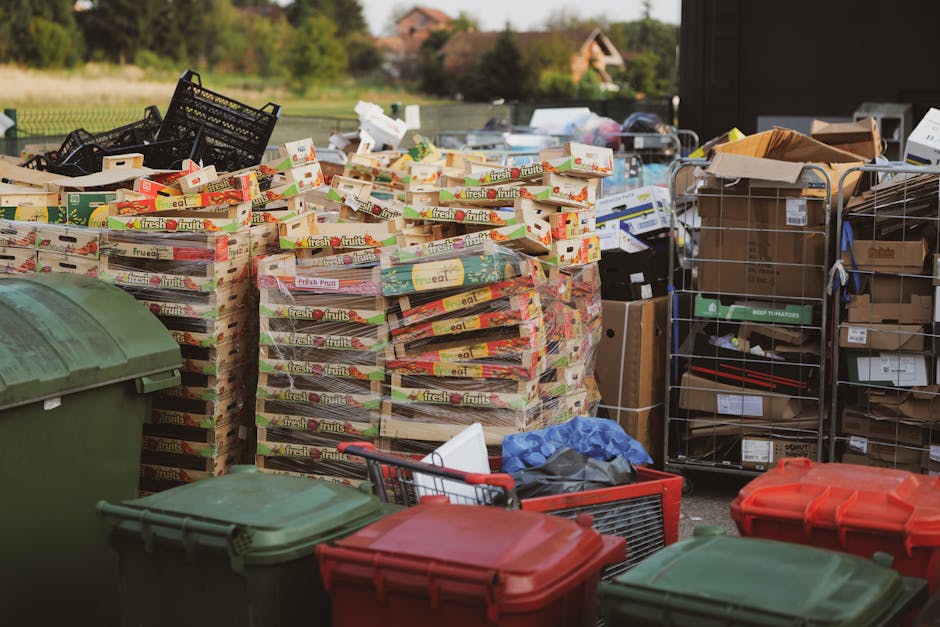
House Clearance in Esher for homes, flats and more
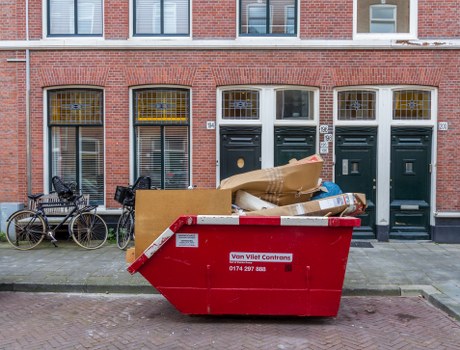
House clearance in Esher calls for a careful, organised service that can remove unwanted household contents without turning the day into a disruption. We clear properties of different sizes and layouts, from compact flats to larger family homes, and we handle the practical work of lifting, sorting and removing items so rooms can be handed over, refurbished or simply made easier to use. The aim is straightforward: a tidy result, sensible handling of reusable items and a service shaped around the property rather than a fixed, one-size approach.
Our work covers general household contents, furniture, appliances, bagged waste and mixed items that have built up over time. Where useful, we can also help with furniture clearance when bulky pieces need to go first, or with a broader home clearance where several rooms need attention together. If you already know the main areas involved, a clear description of the rooms and the kinds of items present makes it easier to plan the right approach.
For larger or more cluttered properties, we can combine practical sorting with the physical removal work so you are not left to manage each stage separately. We focus on orderly clearance rather than rushed stripping-out, which matters when some items need to be kept, some can be reused and others need to be removed responsibly. If you are comparing options, it is sensible to think about access, volume and how much of the property needs clearing before you request a quotation.
House contents cleared room by room
Many clearances are best approached room by room because it helps keep what stays, what goes and what may need extra care separate from the start. This can be useful in a house where furnishings, ornaments, paperwork and everyday items are mixed together. A structured approach avoids unnecessary handling and allows the work to proceed in a way that suits the property, especially where some rooms are empty and others still contain items in active use. It also makes it easier to prioritise larger objects before smaller loose contents.
We can clear living rooms, bedrooms, dining areas and hallways as part of a full house clearance or a partial clearance. If you need to clear several connected spaces, the service can be planned so that passageways remain usable for as long as possible. In some cases, a narrower service such as flat clearance is the better fit for a smaller property, while in others the broader scope of house clearance covers the whole instruction more neatly. Either way, the work should match the layout and the amount of contents involved.
There is no need to remove every decision from the property before the work starts, but a simple note of any items to keep, any items to set aside and any rooms that are off limits is helpful. If photographs are available, they can support planning, yet they are not a substitute for describing the main contents clearly. Good clearance work is easier when the instruction is defined sensibly, rather than when everything is left to guesswork at the last minute.
Bulky furniture, appliances and mixed household items

Domestic clearances often involve more than loose rubbish. Sofas, beds, wardrobes, tables, cabinets and white goods can dominate a room and require careful lifting and movement. Our furniture-focused work helps when heavy pieces are the main obstacle, while mixed household removals are useful where furniture sits alongside smaller items, packaging and general waste. Removing these items in the right order matters because it creates space for the rest of the clearance and reduces unnecessary manoeuvring through the property.
Where a property includes only a few large items, a focused furniture disposal approach may be enough. Where rooms contain a mixture of furnishings and everyday contents, waste removal can sit alongside the clearance to deal with the non-reusable material. We can also work around items that need to remain in place, which is useful in occupied homes or in properties where only part of the contents are being removed.
The practical side of this service is often about access and sequence. Large wardrobes generally need more space to move than a chair or box of books, and appliances may need different handling from lightweight furniture. A short note about staircases, narrow hallways or basement rooms is usually enough to help shape the plan. If there are fragile finishes, limited parking or restricted access, those details matter because they affect how the work is organised rather than just how long it takes.
Lofts, garages and storage-heavy spaces
Storage spaces often contain a wide mix of items: boxes, old toys, seasonal decorations, broken household pieces, spare furniture and belongings that have simply been left for later. Clearing these spaces needs a steady, methodical approach because the useful contents are often hidden among things that are no longer needed. We can clear lofts and garages as part of a wider home instruction or as a more targeted job when the rest of the house does not need attention.
A dedicated loft clearance is often about safe access, lightness of touch and practical handling of awkward items from above ceiling level. A garage clearance usually has a different feel, with more bulk items, gardening leftovers or stored tools that need separating before removal. When a property has both spaces to deal with, it can be sensible to treat them as one coordinated job so the contents are not moved more than necessary.
These areas can contain items that are difficult to assess at a glance, so it helps to distinguish what is staying, what needs to go and what requires a closer look once the work begins. We keep the process practical, but the instruction is still best when the key decisions are clear. That is especially true in lofts, where access, headroom and weight all affect how the work can be carried out safely and efficiently.
Garden and outdoor clearances
Outdoor areas bring a different set of materials into a clearance job, including broken garden furniture, plant containers, old timber, soil-filled bags, planters and general outdoor clutter. A garden clearance is often about restoring order to patios, side returns, sheds and boundaries, rather than only removing obvious rubbish. We handle these jobs by sorting the items that can be lifted and moved easily from the heavier material or the mixed waste that has built up over time.
Where the garden contents are mainly waste from outdoor use, garden clearance is the relevant service. If the job overlaps with indoor rooms or storage structures, the work can be planned as part of a broader house instruction so you are not arranging several separate visits for connected areas. The point is not to overcomplicate it; it is to ensure that the clearance follows the layout of the property and the type of material being removed.
Outdoor work can be affected by weather, surface conditions and how far items need to be carried before loading. It is therefore useful to mention any steps, narrow side access, locked gates or accumulated heavy debris when asking for a quotation. A concise description is usually enough. Clear access details help shape the practical side of the job without needing to overstate anything about the property.
Business premises and office clearances

Although the main service here is house clearance, many customers also need help with business premises where furniture, files, shelving and mixed contents must be removed in an orderly way. Office clearance is usually different from domestic work because it can involve desks, chairs, storage units and quantities of paperwork or stock that need careful separation. We can support that kind of work when it is relevant, especially where a property is being vacated, reorganised or returned to a usable state.
If you need office clearance, the best results usually come from identifying what remains in use, what is obsolete and what needs separate handling before the clearance starts. Some premises also need broader business waste removal where the contents are not limited to office furniture alone. The approach is similar in principle to a home clearance: remove what is no longer needed while keeping the process controlled and appropriate to the space.
For commercial customers, it often helps to think about the building layout, collection points and whether any items require the lift, stairwell or reception area to stay clear. We can work around those constraints, but they should be mentioned early because they shape the order of work. This is especially important where mixed contents are present and the clearance must avoid interfering with the day-to-day use of the premises.
How we approach the job and what affects the quotation
Every clearance is shaped by a small set of practical factors rather than by a standard template. Volume is one, but access, item type, the number of rooms, carrying distance and whether the property is occupied also matter. A quotation usually reflects the time and handling required, along with the nature of the contents themselves. For that reason, a job with a few bulky items can be very different from a lightly furnished house with many smaller objects.
The most useful information is often simple: what type of property it is, which rooms or spaces are involved, whether stairs are present and whether there are items that need to stay behind. If you are ready to compare options, you can look at pricing and quotes alongside the service pages to understand how the work is usually approached. That does not replace a tailored quotation, but it can help you think about the scope before making contact.
We can also help where the instruction includes sorting as well as removal, because not every clearance is simply a matter of taking everything away. Some jobs need a careful split between reusable items, general contents and waste. In those cases, clarity at the outset saves time later. Describe the property honestly and directly, and you are more likely to receive a quotation that matches the real work involved.
What to prepare before asking for a quotation
A brief summary of the property is usually enough to begin with, especially when it includes the number of rooms, the main types of items present and any limitations on access. If photographs are available, they can support the discussion, but they are optional and should be treated as an aid rather than a requirement. The important thing is that the description is useful, not polished. A straightforward account of the contents is better than a vague one.
It also helps to note any items that need to remain in place, any areas that are not to be entered and whether there are time constraints linked to a move, tenancy change or property handover. For related services, some customers prefer a specific builders waste clearance when renovation debris is the main issue, or a combined approach where household contents and leftover materials both need attention. If you already know the broad mix of items, mention that directly so the scope is easier to assess.
Once the key details are gathered, the next step is usually to request a quotation and agree a practical plan. A concise enquiry is often the most efficient starting point, because it gives enough information to shape the work without turning the process into an essay. If the property is larger or more complex, a little extra detail can make the arrangement smoother, but there is no need to overstate the job.
About Esher
Esher is a town in Surrey, lying close to the River Mole and the northern edge of the county’s greener, low-lying landscape. Historically part of the ancient parish system, it developed from a rural settlement into a more suburban place as transport links improved and London influence spread further into the county. Its setting is marked by a mixture of residential streets, older buildings, established roads and open landscapes nearby, which gives the town a distinctly varied character. Sandown Park Racecourse is one of its best-known landmarks, bringing national sporting and leisure activity to a place that still retains many quieter civic and residential spaces. The town centre includes a range of shops and local services, while the broader area contains tree-lined roads and substantial housing that reflect its growth over time. Esher also sits within reach of several notable country-house landscapes and historic estates in the wider borough, and that proximity has long shaped how the town is perceived: neither fully rural nor urban, but a settled Surrey community with direct links to larger centres. Esher railway station connects the town to London Waterloo via a route that has supported commuting for generations, while local roads link it with nearby places such as Claygate, Thames Ditton and Walton-on-Thames. Public green spaces and nearby riverside scenery add to the area’s appeal, and the town’s historic core still retains a sense of place despite later development. The result is a location with a layered identity, combining transport convenience, local commerce, leisure landmarks and residential depth in a compact but recognisable Surrey setting.
House clearance options for different property situations

Not every instruction begins with a fully empty home. Some properties need a partial clearance before decorating or sale, while others need a full removal of contents after a long period of storage or use. A sensible service should reflect that difference instead of forcing the same treatment on every property. That is why the most useful approach is to match the scale of the work to the actual space, contents and access available.
When the job is focused on a single type of item, a narrower service can be helpful. For example, our furniture clearance and furniture disposal pages are relevant when bulky items are the main issue rather than a whole-house clearance. If the instruction includes several categories of household waste, a more comprehensive route may be simpler. The point is to keep the scope sensible so that you do not pay for more than the property actually needs.
We can also support situations where the clearance needs to be staged. That might mean starting with large items, then moving to smaller contents, or clearing one area before another depending on access. In practical terms, this can reduce disruption and allow the property to remain manageable during the work. If you are unsure which service best fits the job, ask for the broadest description of the contents you can give rather than trying to fit it into a narrow label too early.
Responsible handling, recycling and final enquiries
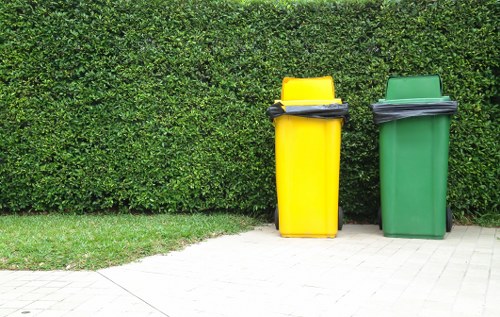
House clearance should end with the property left in a sensible condition and the removed items handled appropriately according to their type. Some contents can be separated for reuse or recycling, while others are simply removed as general waste. Where a customer is interested in how material is managed after collection, our recycling and sustainability page gives a useful overview of the general approach. The important point is that the service remains practical and considered, rather than treating every item in exactly the same way.
For many customers, the final decision comes down to whether the service is organised enough to remove the stress from the day. That means clear scope, realistic planning and a straightforward quotation process. If you have already identified the main rooms, the larger items and any access issues, you are in a good position to make an informed enquiry. When a property has specific needs, it is better to describe them plainly than to leave assumptions unspoken.
To move forward, send the basics of the job and request a quotation. If you need a wider context on how we work, the site includes useful information on our background and how to get in touch, but the main step is still simple: share the property details, the approximate scope and the type of clearance required. We can then respond with a practical next step that suits the work in question.