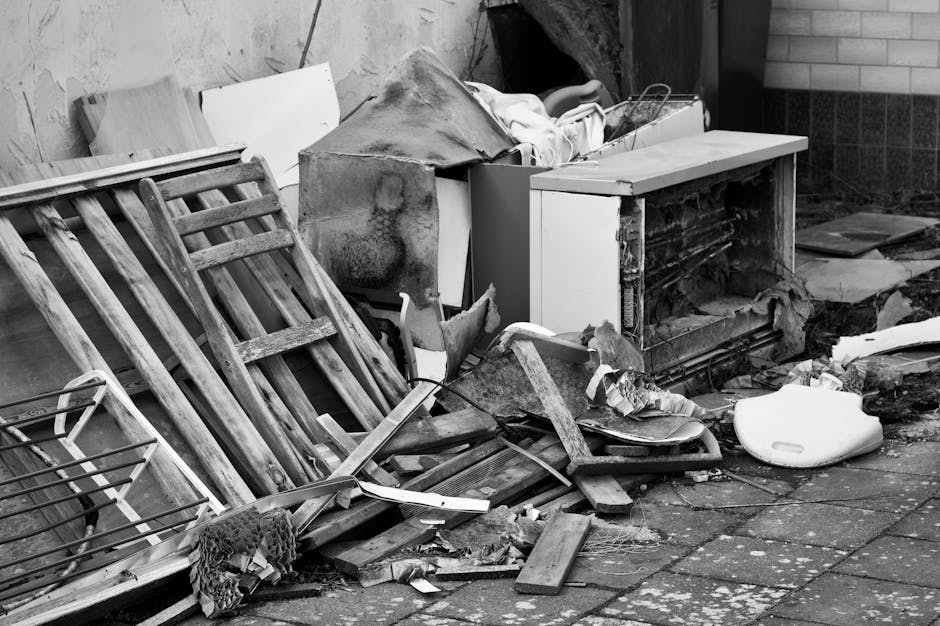
Booking mistakes that delay Esher rubbish clearance jobs
If you have ever tried to organise a rubbish clearance and found the day slipping away because of one avoidable hiccup, you are not alone. Booking mistakes that delay Esher rubbish clearance jobs are usually small things on their own: a missing postcode note, a vague description, a locked gate, or a time slot that looked fine until traffic, access, or extra waste got in the way. The frustrating bit? Most delays are predictable. That means they are also preventable.
In Esher, where homes, flats, offices, garages, gardens, and building projects can all create different kinds of waste, the booking stage matters more than people think. Get it right and the collection feels smooth, tidy, almost boring in the best way. Get it wrong and you end up with back-and-forth calls, a rescheduled slot, or a van that cannot clear the job in one go. This guide walks through the mistakes, the practical fixes, and the little details that help a clearance run on time.
Table of Contents
- Why the booking stage matters
- How rubbish clearance bookings usually work
- Key benefits of booking properly
- Who this is for
- Step-by-step guidance
- Expert tips for fewer delays
- Common booking mistakes
- Tools, resources and recommendations
- Law, compliance and best practice
- Options and comparison
- Real-world example
- Practical checklist
- Conclusion
- Frequently asked questions
Why Booking mistakes that delay Esher rubbish clearance jobs Matters
A delayed clearance is rarely just an inconvenience. It can slow down a house move, hold up a renovation, leave a rental property untidy for handover, or turn a simple garage clear-out into an all-day wait. In practical terms, a delay often means extra labour, extra stress, and sometimes extra cost if the crew has to return.
For customers in Esher, timing is especially important because many clearances are tied to something else: a decorator arriving, a sale completion, an end-of-tenancy deadline, a builder needing space, or a business wanting the office cleared before the next working day. If your booking details are even slightly off, the knock-on effect can be bigger than expected. That is the real issue. Not the delay itself, but what the delay interrupts.
There is also a trust angle here. When a clearance company has clear, accurate information from the start, they can plan the right vehicle, enough team members, the correct equipment, and a realistic time window. That usually means a cleaner experience all round. No one enjoys the awkward "we'll need to come back tomorrow" conversation. Honestly, nobody.
How Booking mistakes that delay Esher rubbish clearance jobs Works
Most rubbish clearance bookings follow a simple chain: enquiry, estimate, confirmation, arrival, loading, and disposal. Delays tend to creep in when one link in that chain is weak. The problem might start with the enquiry itself. Perhaps the customer underestimates the volume, forgets to mention difficult access, or assumes everything is standard household waste when there are bulky or mixed items involved.
From the clearance side, a team plans based on the information provided. If the booking says "a few items from the front garden" and the reality is a packed shed, broken furniture, and bags of mixed waste at the back of the property, the schedule can slip immediately. It is not about blame. It is about matching the job to the job, not to the hope of the job.
A good booking usually includes:
- the exact address and any parking notes
- a realistic description of the waste
- access details such as stairs, gates, lifts, or narrow pathways
- whether heavy lifting is required
- any time restrictions or building rules
- clear confirmation of what should be removed and what should stay
If you are arranging broader property clearance work, it can help to look at the type of service that fits the job, whether that is house clearance, home clearance, flat clearance, or something more specific like garage clearance or loft clearance. The better the match, the fewer surprises on the day.
Key Benefits and Practical Advantages
Careful booking saves more than time. It improves the whole clearance experience, from first call to final sweep. The benefits are often simple, but they matter in the real world.
- Faster turnaround: the team arrives prepared for the actual amount and type of waste.
- Less disruption: neighbours, tenants, staff, or family members are not left waiting around.
- Better pricing accuracy: accurate booking details help reduce pricing surprises later.
- Safer handling: heavy, awkward, or sharp items can be planned for properly.
- Cleaner finish: the right service is more likely to remove everything in one visit.
There is a quieter benefit too: peace of mind. You stop wondering whether the job will "probably" fit into the slot you booked. It either does, or it doesn't. Clear information makes the answer much more reliable.
Expert summary: the best clearance bookings are not the shortest ones; they are the clearest ones. A few extra minutes spent explaining access, volume, and item type can save a whole afternoon later.
Who This Is For and When It Makes Sense
This topic matters to almost anyone arranging waste removal or property clearance in Esher, but some people benefit more than others. If your job involves limited time, bulky waste, or awkward access, the booking stage becomes critical.
It is especially useful for:
- homeowners clearing out a property before sale or refurbishment
- tenants and landlords handling move-out waste
- estate agents dealing with time-sensitive clearances
- builders needing builders waste clearance after a project
- businesses arranging business waste removal before a fit-out or relocation
- people clearing furniture, either for reuse or disposal
If your job is straightforward and already empty, booking is easy. But once you have a mix of furniture, bags, rubble, garden waste, or items stored in more than one place, the risk of delay rises. Truth be told, most "simple" jobs are not as simple as they first sound.
Step-by-Step Guidance
Here is a practical way to book rubbish clearance without causing avoidable delays. It is not complicated, which is part of the point.
- Describe the waste honestly. List the main items, rough volume, and whether anything is unusually heavy or fragile. A sofa, mattress, broken wardrobe, and half a shed of mixed items are not the same job.
- Explain access clearly. Mention narrow driveways, shared entrances, basement stairs, top-floor flats, locked gates, or restricted parking. If a van cannot get close, loading takes longer.
- Share time constraints. If you need the job done before school pickup, a contractor arrival, or building access closes, say so early. Small detail, big difference.
- Separate what stays and what goes. This is a common source of confusion. If there are items in the same room that must remain, identify them before the team arrives.
- Check whether disassembly is needed. Large wardrobes, bed frames, or office furniture may need taking apart. That adds time, so the booking should reflect it.
- Confirm whether the site is occupied. A vacant property is different from a lived-in one. Access, speed, and care requirements change quite a bit.
- Ask about the likely duration. Not because you need to micromanage, but because it helps you plan your day and spot if the quoted slot seems unrealistic.
One small but useful habit: take a few photos before you book. Not glamorous, I know. But it gives a much better picture than a quick description over the phone while you are standing in a noisy hallway.
Expert Tips for Better Results
After enough clearances, a few patterns become obvious. Most delays come from the same handful of weak spots. Here are the fixes that tend to work best in real life.
- Be precise about quantity. "A few items" can mean anything. Count bags, note number of bulky items, or describe the room fill level.
- Say if there are mixed materials. Wood, metal, plasterboard, soil, garden cuttings, and general rubbish may be handled differently. Mixed loads can affect planning.
- Prepare parking in advance where possible. In streets where parking is tight, a van delayed by several minutes can throw off the whole route.
- Check your property rules. Flats and managed buildings may have lift booking windows, fob access, or quiet-hour restrictions. These details matter more than people expect.
- Keep a clear path. Moving items to the front of the property or making hallways passable can shave time off the job.
- Ask about recycling and disposal expectations. If sustainability matters to you, it is better to discuss it at booking than after the collection has happened.
If you want a broader sense of how a company handles different types of jobs, pages like furniture clearance, furniture disposal, garden clearance, and office clearance can help you match the service to the waste. Not every clearance needs the same setup, obviously.
A small human note: the jobs that run best are usually the ones where the customer has thought, "What would make this awkward for the crew?" and answered that question before the van turns up. That tiny bit of empathy goes a long way.
Common Mistakes to Avoid
This is where most delays start. Some are innocent. Some are just rushed. A few are classic "I thought that would be obvious" moments.
| Mistake | How it causes delay | Better approach |
|---|---|---|
| Underestimating the volume | The team arrives with the wrong vehicle size or time slot. | Describe the job honestly and include photos if possible. |
| Forgetting access details | Crews lose time at gates, flats, or parking restrictions. | Share entry instructions, floor level, and parking notes upfront. |
| Mixing items that should stay with items to remove | The crew has to pause and confirm what is included. | Label kept items clearly or move them away beforehand. |
| Booking the wrong type of service | The job needs more labour or a different setup than expected. | Choose the service that matches the actual waste and property type. |
| Not mentioning heavy or awkward items | Extra time and handling are needed on arrival. | List bulky furniture, appliances, rubble, or awkward loads early. |
| Ignoring site restrictions | Access windows, lift bookings, or landlord rules slow things down. | Check restrictions before confirming the appointment. |
There is a bit of a theme here: most delays are less about waste removal itself and more about the mismatch between expectation and reality. That mismatch is what you want to remove.
Tools, Resources and Recommendations
You do not need fancy software to book a clearance well. A handful of basic tools and a sensible approach will do most of the work.
- Photos or a short video: useful for showing room size, item volume, and access points.
- Simple room-by-room notes: helpful if the waste is spread across a house, loft, garage, or garden.
- A rough list of bulky items: useful for sofas, beds, white goods, cabinets, or office desks.
- A quick check of property access: gates, stairs, lifts, permits, or loading areas can all affect timing.
- Booking confirmation details: keep the date, time, address, and any special instructions in one place.
If you are comparing broader service options, the site's pricing and quotes page can help you think through how the job may be assessed, while recycling and sustainability is useful if you care about where the waste ends up. For company background and reassurance, about us is worth a look too.
Sometimes the best resource is just a calm five-minute review before you press confirm. Not exactly exciting, but it saves grief later. And let's face it, nobody wants to spend Thursday morning explaining where the missing mattress actually is.
Law, Compliance, Standards, or Best Practice
For rubbish clearance, the safest approach is to follow established UK waste-handling best practice and choose a provider that treats the work responsibly. While customers do not need to know every operational detail, it helps to understand a few sensible points.
Waste should be handled, transported, and disposed of in a way that reflects legal and environmental duties. In plain English, that means you should expect the collection to be organised properly, items to be handled safely, and waste to be directed to appropriate facilities where possible. If a provider offers a health and safety policy and insurance and safety information, that can be a reassuring sign that the operation is run carefully.
For customers, the practical takeaway is simple: be accurate, honest, and specific at booking. That helps the provider plan safely and reduces the chance of issues on site. If you are dealing with business premises, it may also be sensible to keep an eye on internal building rules, waste separation expectations, and any tenant or landlord requirements. The details vary, but the principle stays the same.
If you ever feel uncertain about what should be removed, ask before the appointment. It is better to clarify than to guess. Guessing is where delays get to have a little party.
Options, Methods, or Comparison Table
Not every clearance needs the same booking approach. A flat clear-out, a garden clearance, and a builders waste job all benefit from slightly different planning. Here is a simple comparison to make the choice clearer.
| Job type | Common booking risk | Best way to prevent delay |
|---|---|---|
| House clearance | Underestimating how much is spread across several rooms | Walk through each room and note major items |
| Flat clearance | Access, stairs, lifts, or parking restrictions | Confirm floor level, entry instructions, and lift use early |
| Garden clearance | Overlooking wet, bulky, or mixed green waste | Describe piles, bags, cuttings, soil, and any heavy items clearly |
| Garage clearance | Hidden clutter and forgotten bulky items | Count the larger items and mention if the garage is packed tight |
| Office clearance | Desks, cabinets, and access rules in managed buildings | Plan around working hours and list furniture or IT waste carefully |
| Builders waste clearance | Misjudging heavy rubble or mixed construction waste | State the material type and quantity, not just "building rubbish" |
If you are deciding between services, think in terms of access, volume, and item type first. Those three things do most of the heavy lifting in the booking process.
Case Study or Real-World Example
A fairly typical Esher scenario goes like this. A customer books a Saturday clearance for what they describe as "some furniture and general rubbish" from a garage and part of a house. On arrival, the crew finds several bulky wardrobes, a dismantled bed, old tools, mixed bags, and a narrow side passage that barely allows one person through at a time.
Nothing is wildly wrong, but the booking was too loose. The team now has to slow down, reassess the time needed, and work around access that was not mentioned. The customer is surprised. The crew is polite, still professional, but the day has already shifted. If there had been photos, a clearer item list, and a note about the passage, the booking could have been set up properly from the start.
Now compare that with a second customer who sends a short message: two sofas, one wardrobe, seven bin bags, access through the rear gate, no parking directly outside, and the top-floor flat requires stair carry. That job is much easier to plan. Everyone knows what to expect. The van turns up with the right setup, and the job finishes without the awkward "oh, we need to think about this" moment.
That is the difference in a nutshell. Better booking details do not make the waste disappear faster by magic. They simply stop the day from wobbling.
Practical Checklist
Use this checklist before you confirm your booking. It sounds basic, but basic is often what works.
- Have I described the waste clearly and honestly?
- Have I included the rough number of items or bags?
- Have I mentioned bulky, heavy, fragile, or awkward items?
- Have I explained access, parking, stairs, gates, or lifts?
- Have I checked whether anything needs disassembly?
- Have I separated items to be removed from items to stay?
- Have I noted any building, landlord, or site restrictions?
- Have I confirmed the date and time window carefully?
- Have I asked about pricing, payment, and what might affect the quote?
- Have I kept photos or notes ready in case details are needed again?
If you can tick most of those boxes, you are already ahead of many rushed bookings. It really does make a difference.
Get a free quote today and see how much you can save.
Conclusion
Booking mistakes that delay Esher rubbish clearance jobs are usually avoidable. That is the encouraging part. The fixed points are simple: be clear about what needs removing, be honest about access and volume, and choose the service that actually fits the job. Do those things and the whole process becomes much smoother.
There is no need to overcomplicate it. A good booking is just a clear conversation backed by a few helpful details. When people take the time to get that right, the clearance tends to feel calmer, faster, and far less annoying. Which, to be fair, is exactly what most of us want on a busy day.
If you are still comparing service options, pages like waste removal, furniture disposal, and the company's contact us page can help you plan the next step with a bit more confidence.
A little clarity at the start saves a lot of noise later. That is usually how the best jobs go.
Frequently Asked Questions
What are the most common booking mistakes that delay rubbish clearance?
The biggest ones are underestimating the amount of waste, forgetting access details, not mentioning bulky items, and booking the wrong type of clearance for the job.
How do I stop my Esher rubbish clearance job from running late?
Give a clear description of the waste, share photos if possible, explain parking and access, and confirm any building or time restrictions before the appointment.
Does access really make that much difference?
Yes, it often makes a very large difference. Narrow paths, stairs, lifts, gates, and parking limits can all slow loading and unloading if they are not mentioned in advance.
Should I tell the clearance company about every item?
You should give enough detail for the team to understand the size, type, and difficulty of the job. The more awkward or bulky the item, the more important it is to mention it.
What if I am not sure how much rubbish I have?
Use photos, room-by-room notes, or a rough item count. If it still feels uncertain, say that the estimate is approximate rather than guessing too confidently.
Can a bad booking affect the price?
It can. If the actual job is larger, heavier, or more complex than described, the quote may need adjusting. Accurate booking details help keep pricing fair and realistic.
Is it better to book a whole house clearance or a smaller service?
Choose the service that matches the waste and property. For example, a garage, loft, flat, office, or furniture clearance may suit the job better than a broad property clearance.
Do I need to prepare anything before the team arrives?
Yes, if you can. Clear a path, separate items to keep, and make sure access instructions are easy to follow. A little preparation often saves a lot of time.
What happens if the team cannot access the property on the day?
If access details were missing or incorrect, the job may be delayed or rescheduled. That is why gate codes, parking notes, and entry instructions should be confirmed beforehand.
Are photos really necessary when booking rubbish removal?
They are not always essential, but they are very helpful. A few simple pictures can show volume, access, and item type much better than a rushed description.
How do I know if a provider is trustworthy?
Look for clear service information, straightforward pricing guidance, and practical policies such as health and safety, insurance, and recycling information. Those signals usually mean the business is organised and careful.
What is the best thing to do if my booking details change?
Tell the provider as soon as possible. A small change early on is much easier to handle than a surprise on arrival. That one is worth remembering.
Can rubbish clearance be done the same day in Esher?
Sometimes yes, depending on availability and the size of the job. Same-day clearance works best when the booking details are accurate and the access is straightforward.
Where can I learn more about the company and its policies?
You can review the company's about us, health and safety policy, insurance and safety, and recycling and sustainability pages for more context.